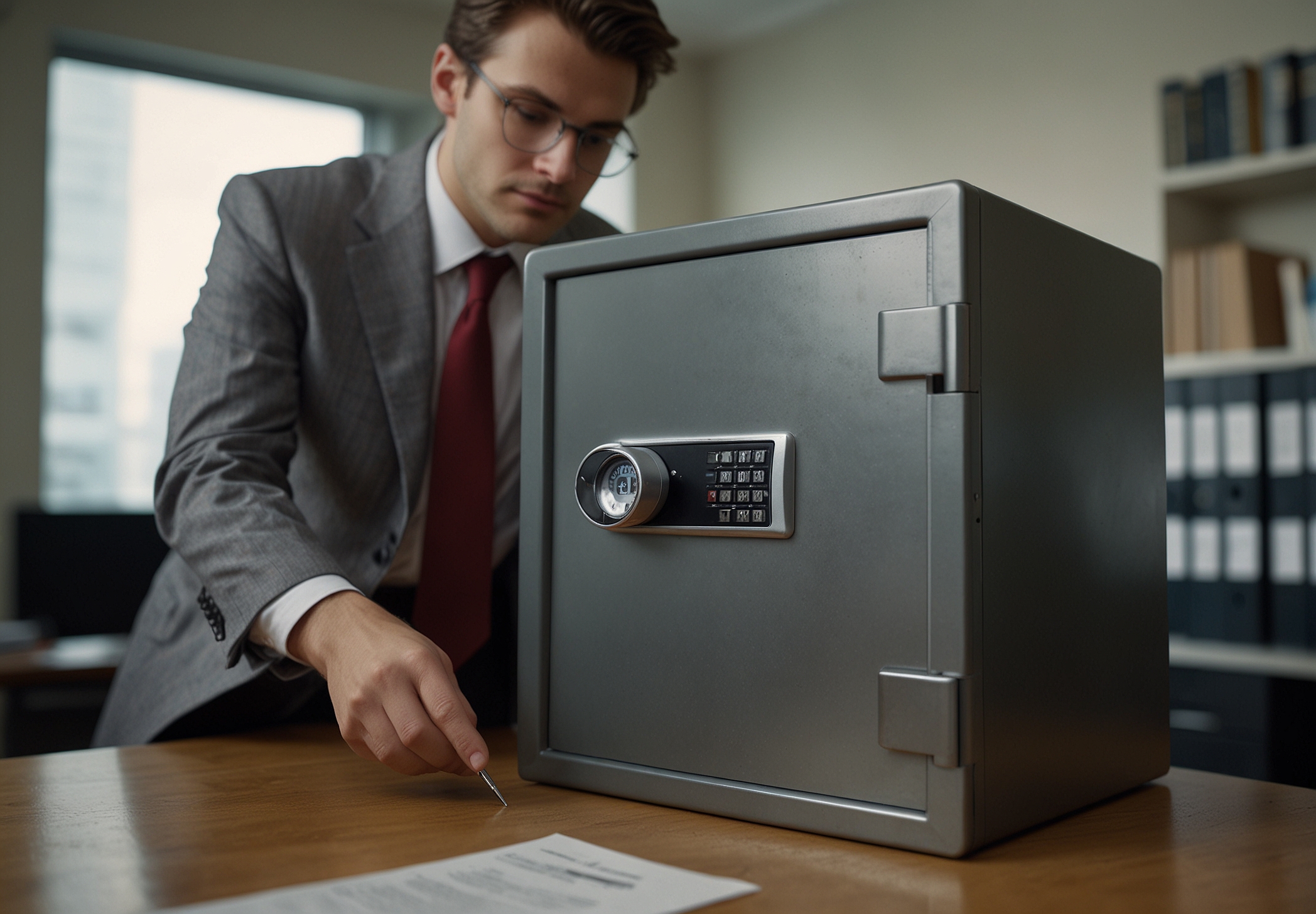
How to Safeguard Your Credit from Identity Theft Scams
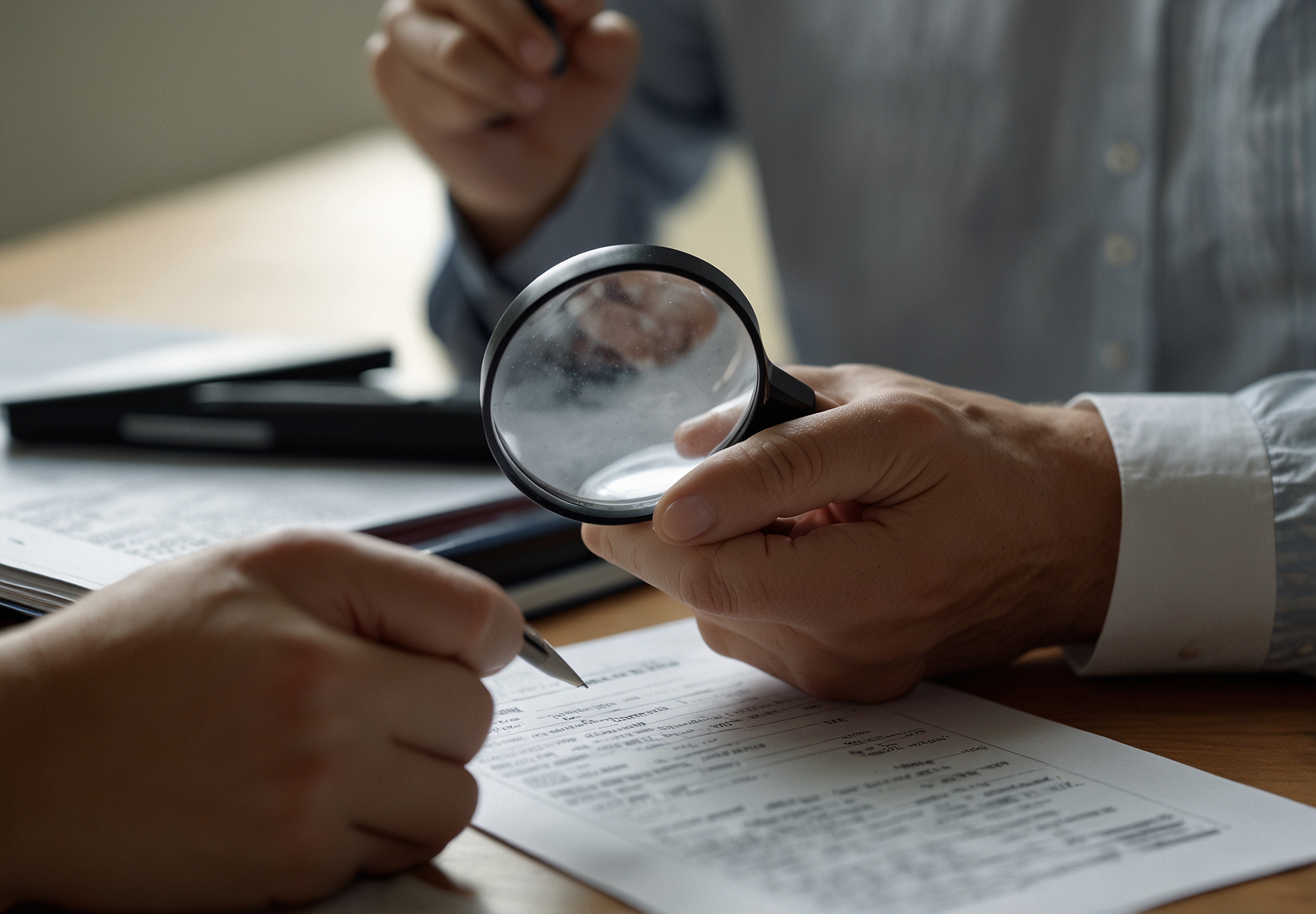
Introduction: Understanding Identity Theft and Credit Report Errors
Identity theft is a significant threat that can cause substantial damage to your financial health. It involves criminals stealing personal information such as social security numbers, credit card details, or login credentials to impersonate you and commit fraud. This not only affects your ability to manage finances but also impacts your credit score and overall financial well-being.
To protect yourself from identity theft and safeguard your credit report, it's crucial to take proactive steps. This article provides comprehensive guidance on how to prevent identity theft, monitor your credit reports, and dispute errors effectively.
Step 1: Secure Your Personal Information
Use Strong Passwords
Create strong passwords that are unique for each account. A combination of uppercase and lowercase letters, numbers, and symbols makes it harder for hackers to guess or crack them. Consider using a password manager tool to generate and store complex passwords securely.Shred Sensitive Documents
When you dispose of sensitive documents like bank statements or credit card applications, shred them properly. This prevents dumpster divers from stealing your personal information.Secure Your Social Media
Be cautious about what information you share on social media platforms. Criminals can use this information to guess answers for security questions or to pose as you in various online accounts.Step 2: Monitor Your Credit Reports
Obtain Free Annual Credit Reports
You are entitled to one free credit report from each of the three major credit bureaus (Equifax, Experian, and TransUnion) annually. You can access these reports at AnnualCreditReport.com. Review them thoroughly for any discrepancies or unauthorized accounts.Set Up Alerts
Most credit reporting agencies offer alert services that notify you via email or text when changes are made to your credit report. These alerts help you stay informed about potential fraudulent activity.Use Credit Monitoring Services
Consider subscribing to a credit monitoring service, such as iRunCredit’s Document Generator (https://iruncredit.com/document-generator/). While not necessary for everyone, these services can provide real-time alerts and additional security features that might be beneficial depending on your risk level.Step 3: Dispute Errors on Your Credit Report
Identify the Error
Carefully review your credit report to identify any inaccuracies. Common errors include incorrect account information, late payments marked as on time, or accounts you do not recognize.Gather Documentation
Collect all relevant documents that support your claim, such as bank statements, contracts, and communications from creditors. Detailed records can significantly strengthen your dispute.Write a Dispute Letter
Follow the steps provided by the credit bureau to submit a formal dispute letter. Be specific about what information is incorrect and provide any supporting documentation. Here’s an example of how to format your letter:[Your Name] [Your Address] [City, State ZIP Code]
[Credit Bureau's Name] [Their Address] [City, State ZIP Code]
Date
Dear [Name of Credit Bureau],
I am writing this letter to dispute the following item on my credit report:
- Account: [Account Number]
- Status: [Status as reported]
- Amount: [Amount disputed]
The details are inaccurate and I request that you correct them. Please find supporting documentation attached.
Thank you for your prompt attention to this matter. Sincerely, [Your Name]
Follow Up
If the dispute is not resolved, follow up with the credit bureau within 30 days. Keep a record of all communications and any responses received. If necessary, escalate the issue to the Federal Trade Commission (FTC) or your state’s attorney general office.Step 4: Lower Credit Utilization
Monitor Your Credit Utilization
Credit utilization refers to the percentage of available credit that you are using. Keeping this ratio low can significantly improve your credit score. Aim for a utilization rate below 30%.Pay Down High-Balance Accounts
If you have accounts with high balances, consider paying them down as much as possible. This reduces your overall utilization and improves your credit profile.Step 5: Protect Your Social Security Number
Limit SSN Disclosure
Be cautious about sharing your social security number (SSN). Avoid giving it out unless absolutely necessary. Opt for alternative identification methods when available, such as a driver’s license or state ID.Use a Credit Freeze
A credit freeze prevents creditors from accessing your credit report entirely. This makes it harder for identity thieves to open new accounts in your name but may also affect your ability to obtain new lines of credit for legitimate purposes like mortgages or car loans.Conclusion: Stay Vigilant and Informed
Identity theft can be a daunting threat, but by taking proactive measures, you can significantly reduce the risk. Regularly monitor your credit reports, dispute any errors promptly, keep your personal information secure, and stay informed about best practices for protecting your identity.
At iRunCredit, we provide tools and resources to help you manage your finances more effectively. Whether it’s through our document generator or other services, we are here to support you in safeguarding your credit and financial well-being.
Take the first step today by reviewing your credit reports and setting up alerts. Stay vigilant and informed to protect yourself from identity theft scams.
Ready to turn searches into booked jobs?
Free credit tools, dispute letters, calculators, and plain-English credit education.