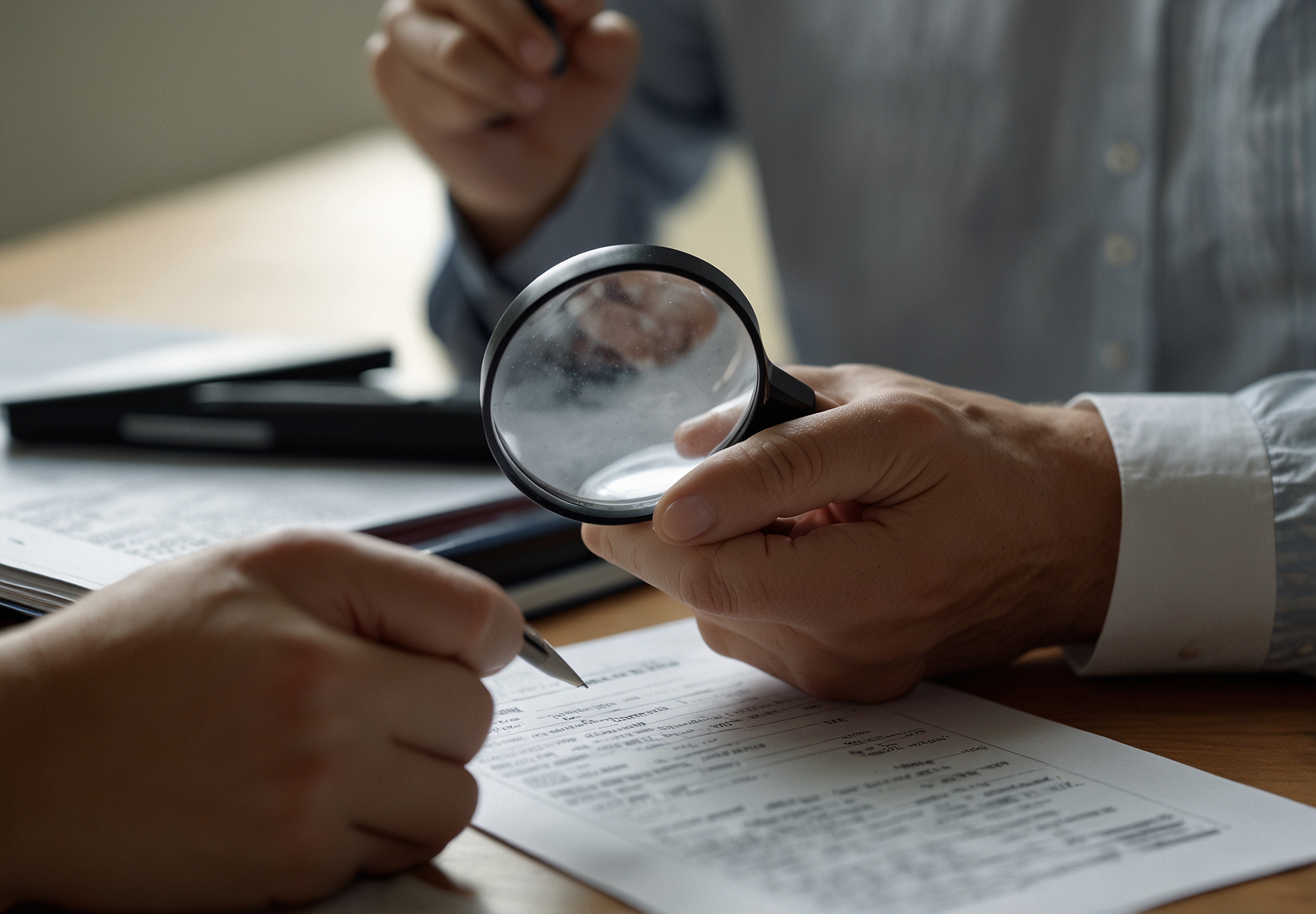
Strategies to Safeguard Your Credit Score from Identity Theft Scams
Understanding Identity Theft and Its Impact on Your Credit Score
What Is Identity Theft?
Identity theft occurs when someone steals your personal information—such as Social Security number, date of birth, or address—and uses it to commit fraud. This can lead to significant damage to your credit score, financial loss, and other serious consequences.Concrete Example:
Imagine you receive a bill for a medical procedure you never underwent. The thief used your name and SSN to set up an account with a hospital and had the charges sent directly to your address. You might not even realize this until you see the unexpected charges on your credit report or bank statement.How Does Identity Theft Affect Your Credit Score?
When an identity thief opens new accounts, makes purchases, or misses payments in your name, the resulting activity appears on your credit report. Late payments, missed payments, and new accounts can negatively impact your credit score, making it harder to secure loans, get approved for credit cards, or even rent an apartment.Step-by-Step Instructions:
- Review Your Credit Reports: Obtain a free copy of your credit reports from each of the three major bureaus (Equifax, Experian, and TransUnion) using AnnualCreditReport.com.
- Check for Unfamiliar Transactions: Look for any transactions you do not recognize or accounts that have been opened in your name without your consent.
Mistakes to Avoid:
- Ignoring Small Charges: Even small charges can indicate fraudulent activity. Don’t dismiss them as insignificant.
Recognizing the Signs of Identity Theft
Be vigilant about monitoring your financial statements and credit reports. Common signs include:
- Unfamiliar Transactions on Bank or Credit Card Statements:
- New Accounts Opened in Your Name That You Did Not Initiate:
- Receiving Bills or Collection Notices for Products or Services You Didn’t Purchase:
Practical "What to Do Next" Section:
- Alert Your Creditors: Contact the creditors immediately and inform them about potential fraud. Ask them to verify your identity.
- Report to the FTC: File a report with the Federal Trade Commission (FTC) at IdentityTheft.gov. They provide a detailed recovery plan.
Creating a Strong Defense Against Identity Theft
Step 1: Secure Your Personal Information
- Use Strong Passwords: Ensure all of your online accounts have strong, unique passwords. Consider using password managers to keep track of them.
- Shred Sensitive Documents: When disposing of documents with personal information, shred them before throwing away.
Concrete Example:
If you receive a pre-approved credit card offer in the mail, shred it immediately instead of tossing it in the trash. Thieves can use this information to open new accounts in your name.Step 2: Monitor Your Credit Reports Regularly
- Free Annual Credit Reports: Visit AnnualCreditReport.com to request a free credit report from each major credit bureau (Equifax, Experian, and TransUnion).
- Sign Up for Credit Monitoring Services: Consider subscribing to a credit monitoring service if you are particularly concerned about identity theft.
Mistakes to Avoid:
- Ignoring Free Annual Reports: Always take advantage of the free annual reports offered by the FTC. It’s a valuable tool in protecting your financial security.
Disputing Errors in Your Credit Report
Step 3: Identify and Document the Errors
If you suspect identity theft or find errors on your credit report, document everything. Keep copies of all correspondence and keep detailed records of any actions taken.Practical Example:
You notice a mortgage application in your name that you never submitted. Take screenshots of the page, write down the date and time of discovery, and note where you found the error (e.g., online statement).Step 4: Contact the Credit Bureaus
- Dispute with Credit Bureaus: Send a formal dispute letter to each of the three major credit bureaus (Equifax, Experian, TransUnion) via certified mail or email. Include copies of your ID and supporting documents.
- Template for Disputing Errors: Use iRunCredit’s Document Generator tool to create a formal dispute letter.
Step-by-Step Instructions:
- Gather Documentation: Collect any evidence you have, such as emails, receipts, or statements that prove the error.
- Write Your Dispute Letter:
Step 5: Contact the Creditors
- Dispute with Creditors: If an error is related to accounts you opened, contact the creditors directly. Provide them with evidence of identity theft and request that they verify your account information.
- Template for Disputing Accounts: Use iRunCredit’s Document Generator tool to create a formal dispute letter.
Practical Example:
You receive a call from a debt collector about an unpaid bill. You can use the template provided by iRunCredit to write a formal letter disputing the claim and requesting proof of your identity before any further action is taken.Protecting Your Personal Information
Step 6: Secure Your Social Security Number
- Avoid Sharing SSN Unnecessarily: Refrain from sharing your Social Security number unless absolutely necessary. Opt for alternative forms of identification when possible.
- Use a Credit Freeze or Fraud Alert: Consider placing a credit freeze on your reports to prevent creditors from accessing your credit report entirely. Alternatively, you can set up a fraud alert which requires creditors to verify your identity before opening new accounts.
Mistakes to Avoid:
- Using Your SSN for Non-Essential Purposes: Only share it when absolutely necessary, such as applying for a job or renting an apartment.
Step 7: Protect Your Mail
- Secure Mailbox: Use a secure mailbox or P.O. Box for sensitive documents.
- Shred Mail Before Throwing Away: Shred any unused credit card offers, bank statements, and other financial documents before disposing of them.
Practical Example:
If you receive a pre-approved credit card offer in the mail, shred it immediately instead of tossing it in the trash. Thieves can use this information to open new accounts in your name.Preventing Future Identity Theft
Step 8: Secure Your Online Accounts
- Enable Two-Factor Authentication (2FA): Whenever possible, enable two-factor authentication for your online accounts.
- Regularly Update Software: Keep all software up to date to protect against malware and phishing attacks.
Concrete Example:
When you sign up for a new online service, always check if 2FA is available. If it is, turn it on immediately to add an extra layer of security.Step 9: Monitor Your Credit Scores
- Use a Credit Monitoring Tool: Consider using iRunCredit’s credit monitoring tools to keep an eye on your credit scores and report activity. This can help you catch any suspicious activity early.
- Regularly Review Your Statements: Regularly review bank statements, credit card statements, and other financial documents for any unauthorized transactions.
Mistakes to Avoid:
- Failing to Monitor Regularly: Even if you don’t notice anything unusual, regular monitoring helps detect potential issues early.
What to Do Next
Actionable Steps
- Set Up a Credit Freeze or Fraud Alert if you suspect identity theft or have experienced it before.
- Review your credit reports from all three major bureaus using AnnualCreditReport.com.
- Create and send formal dispute letters to the credit bureaus and creditors as needed.
Mistakes to Avoid
- Not Taking Action: Don’t ignore suspicious activity; address it immediately.
- Using Unsecured Channels: Never send sensitive information through unsecured emails or websites.
- Falling for Scams: Be wary of companies promising guaranteed score increases or demanding payment upfront. Always verify their legitimacy.
When to Slow Down
If you feel overwhelmed, take a break and reassess your situation before proceeding with any actions. It’s better to be cautious than rushed into making mistakes that could further compromise your credit.Conclusion
By taking proactive steps to protect your personal information and monitoring your credit reports regularly, you can significantly reduce the risk of identity theft and safeguard your credit score. Remember, prevention is key, but if issues arise, having a clear plan in place will help mitigate any damage. Always refer to official sources like the FTC and CFPB for the most up-to-date guidance.
By following these steps, you'll be better equipped to handle potential threats to your financial security.
Ready to turn searches into booked jobs?
Free credit tools, dispute letters, calculators, and plain-English credit education.