How to Safeguard Your Credit Score from Identity Theft

Understanding Identity Theft and Its Impact on Your Credit Score
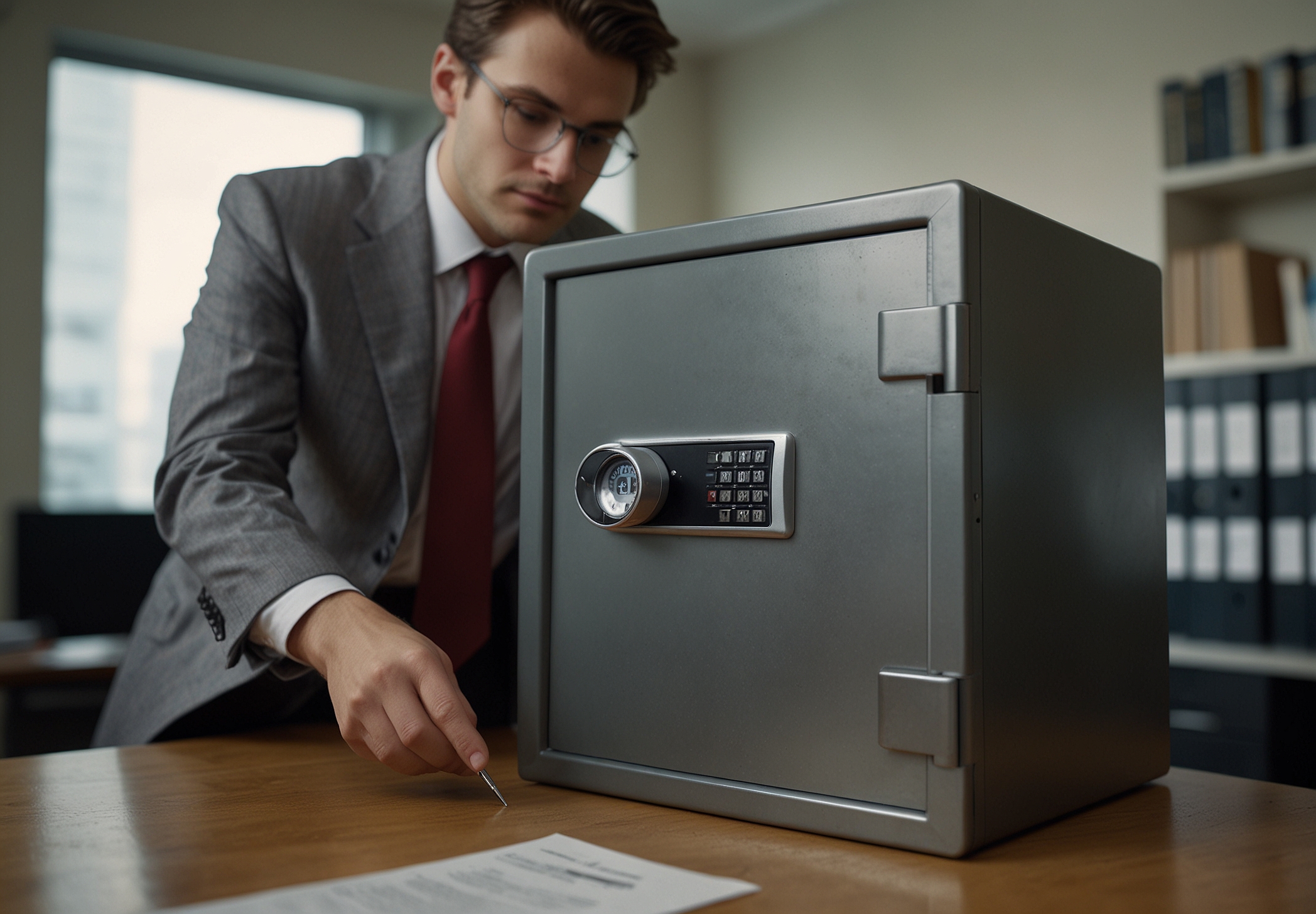
Identity theft is a serious concern for anyone who uses credit cards or has financial dealings online. It can happen in various ways: through stolen wallets, phishing scams, or even by hackers exploiting vulnerabilities in digital systems. The consequences of identity theft can be devastating, leading to damage to your credit score and ongoing financial troubles.
Recognizing the Signs of Identity Theft
Recognizing the signs early is crucial for minimizing the impact on your finances. Common indicators include:
- Unexpected Accounts: Discovering accounts you don’t recognize on your bank or credit card statements.
- Credit Denials: Receiving notices that a creditor denied your application due to a poor credit score, which could be an indication of fraud.
- Collection Calls: Regularly receiving calls from creditors about debts you didn't incur.
- Fraud Alerts: Notifying services like the FTC’s IdentityTheft.gov or the three major credit bureaus (Equifax, Experian, and TransUnion) can alert you to potential fraud.
Steps to Prevent Identity Theft
Prevention is key in safeguarding your financial well-being. Here are some practical steps you can take:
Secure Your Personal Information
- Use Strong Passwords: Ensure that your passwords for online accounts are strong and unique.
- Enable Two-Factor Authentication (2FA): This adds an extra layer of security by requiring a second form of verification, such as a text message code or a fingerprint scan.
Monitor Your Credit Reports Regularly
- Access Free Annual Reports: You can get one free credit report from each of the three major credit bureaus annually through AnnualCreditReport.com.
- Sign Up for Credit Monitoring Services: While not necessary, subscribing to services like iRunCredit’s credit monitoring can provide real-time alerts if any suspicious activity is detected.
Be Wary of Phishing Attempts
- Check URLs Carefully: Always verify the URL before entering sensitive information online. Legitimate websites will have a secure connection (HTTPS).
- Do Not Share Personal Information: Never share your Social Security number, credit card details, or other personal data unless you are sure the recipient is legitimate.
What to Do If You Suspect Identity Theft
If you suspect that your identity has been stolen, act quickly to mitigate damage:
- Alert Credit Bureaus: Contact Equifax, Experian, and TransUnion to place a fraud alert on your credit reports.
- File a Report with the FTC: Visit IdentityTheft.gov to file a report and get an individualized recovery plan.
- Notify Your Bank and Credit Card Issuers: Inform them of the potential theft so they can monitor for suspicious activity.
- Secure Your Social Security Number: Consider filing your taxes early or using a tax professional who can help protect your information.
Case Study: Preventing Identity Theft
Let’s look at a real-life example where iRunCredit helped prevent identity theft:
Case Example: John, a 35-year-old software engineer, received a call from a credit card company informing him that his card had been flagged for suspicious activity. Upon checking his online account, he noticed unauthorized charges and an alert about potential fraud.
He immediately contacted the credit bureau and filed a report with IdentityTheft.gov. He also enrolled in iRunCredit’s credit monitoring service to get real-time alerts on any changes to his credit profile.
Within days, John received an email from iRunCredit alerting him that there was unusual activity in his account. Upon closer inspection, he realized the unauthorized charges were part of a phishing scam attempt. Thanks to his proactive steps and the use of iRunCredit’s services, John was able to prevent further damage to his credit score.
Additional Tips for Protecting Your Credit Score
- Freeze Your Credit: Consider freezing your credit with all three bureaus if you are concerned about identity theft. This prevents creditors from opening new accounts in your name.
- Use a Secure Router and Firewall: Protect your home network to prevent hackers from accessing sensitive information.
- Regularly Check for New Accounts: Review your bank statements and credit reports regularly to spot any unauthorized transactions.
Conclusion
Identity theft can have serious repercussions, but with the right precautions, you can protect yourself effectively. By understanding the signs of identity theft, taking proactive steps, and acting swiftly if you suspect fraud, you can safeguard your financial health. Using tools like iRunCredit’s credit monitoring services can provide an extra layer of protection.
Take action today to secure your credit score and personal information.
Ready to turn searches into booked jobs?
Free credit tools, dispute letters, calculators, and plain-English credit education.